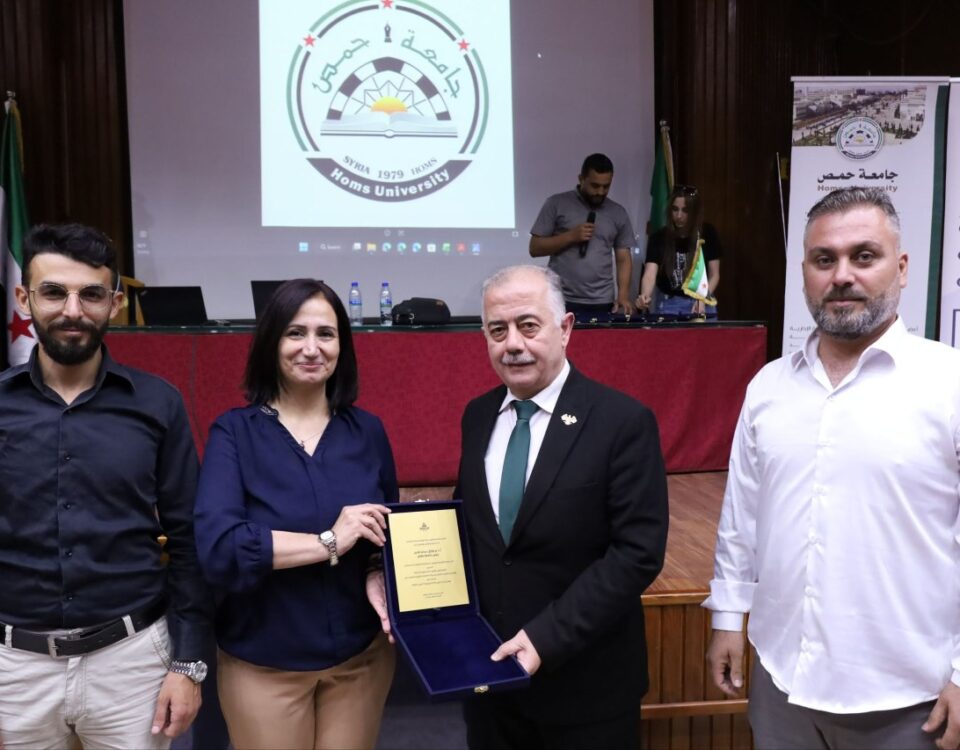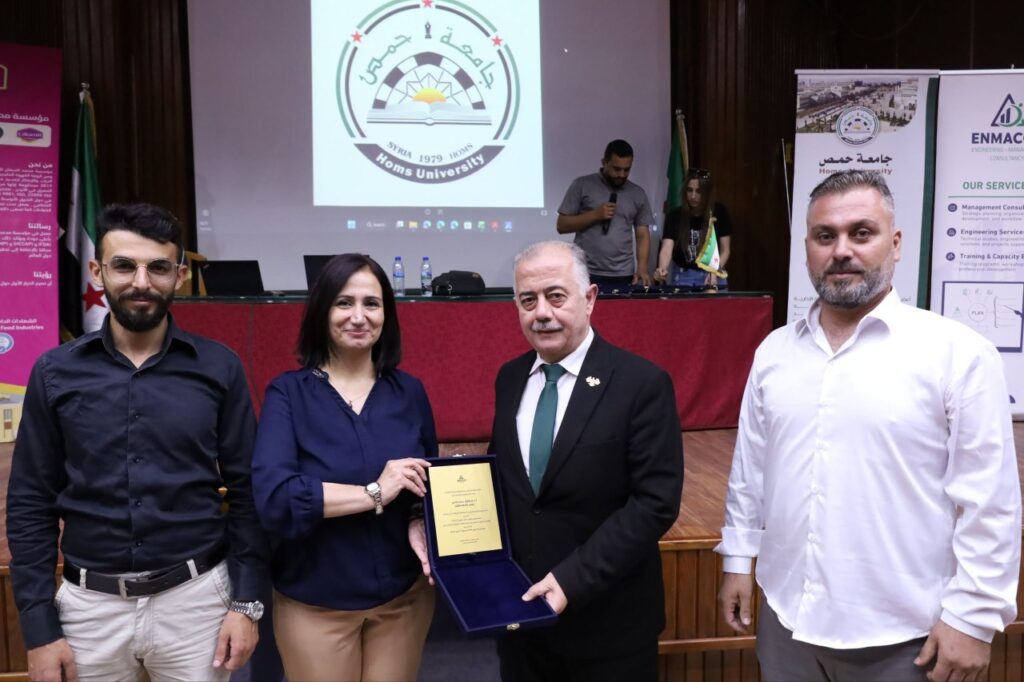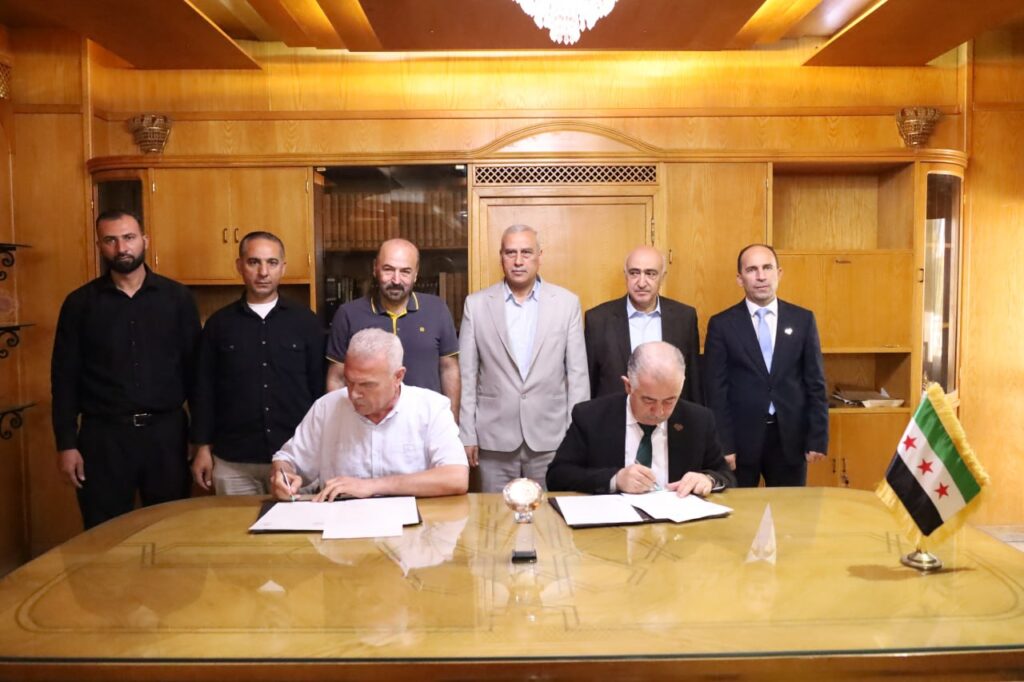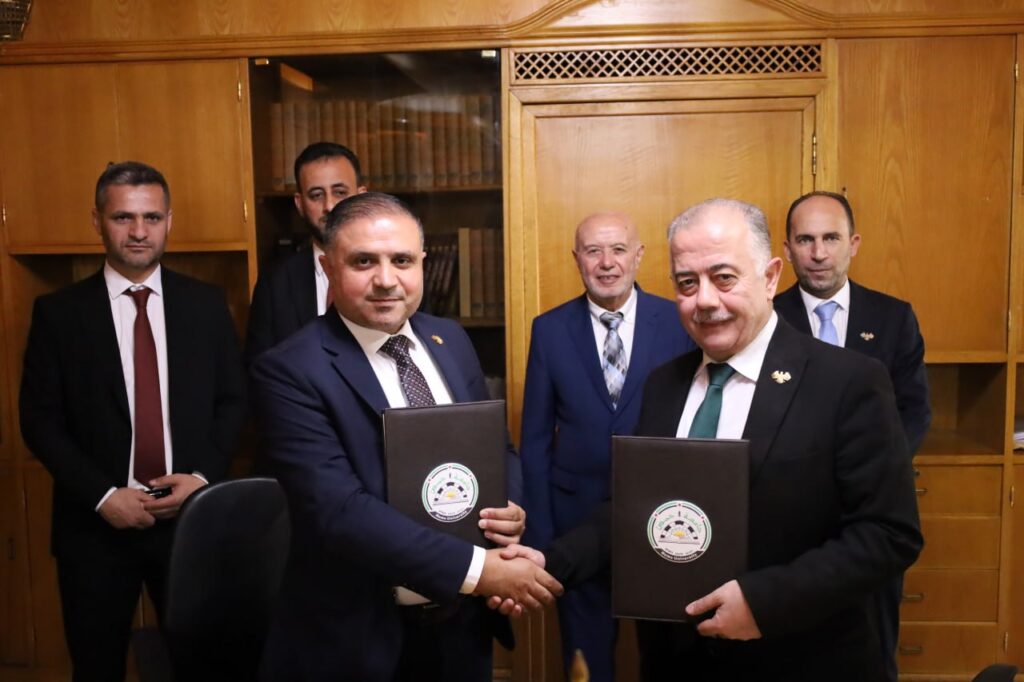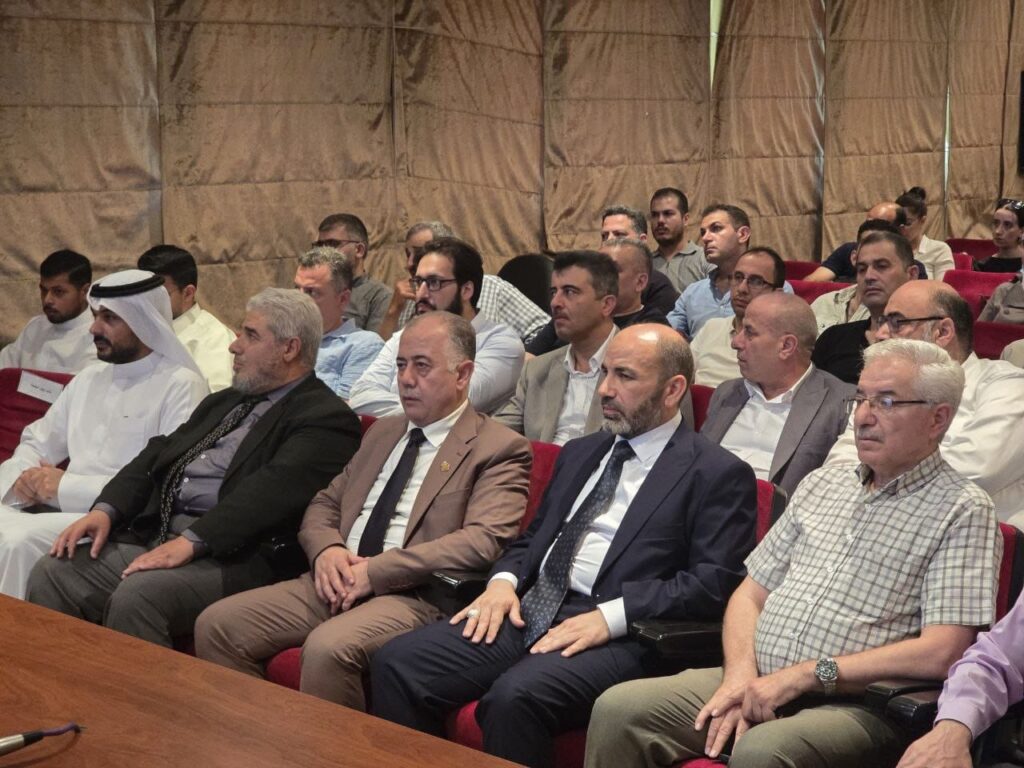
The National Center for Space Research at Homs University organized “The First Space Symposium” at the main seminar hall of the Faculty of Science, coinciding with the anniversary of Syrian astronaut Muhammad Fares’ spaceflight, in the presence of official and academic figures alongside a number of university students.
The President of Homs University, Prof. Tarek Houssam ElDeen emphasized the importance of supporting scientific research and developing its fields, pointing out the growing role of space sciences and technologies in telecommunications, remote sensing, natural resource management, and environmental protection.
The Director of the National Center for Space Research, Prof. Khaled Al-Abdullah, indicated that the symposium aims to introduce space sciences and highlight the center’s role in research. He noted that within a working period not exceeding 70 days, the center acquired a satellite model currently being re-manufactured, in addition to owning two telescopes dedicated to astronomical monitoring activities.
Astronomical observer Muhammad Al-Obeidi, the scientific advisor for astronomical affairs at the center, explained that his lecture addressed the phenomenon of light pollution and methods for monitoring and measuring it using smartphones, enabling interested individuals across various governorates to collect scientific data on the subject.
The symposium program included scientific working papers on cubic satellites (CubeSats), satellite communications, and light pollution measurement, in addition to an evening of astronomical monitoring and culture using telescopes on Al-Kharab Street.