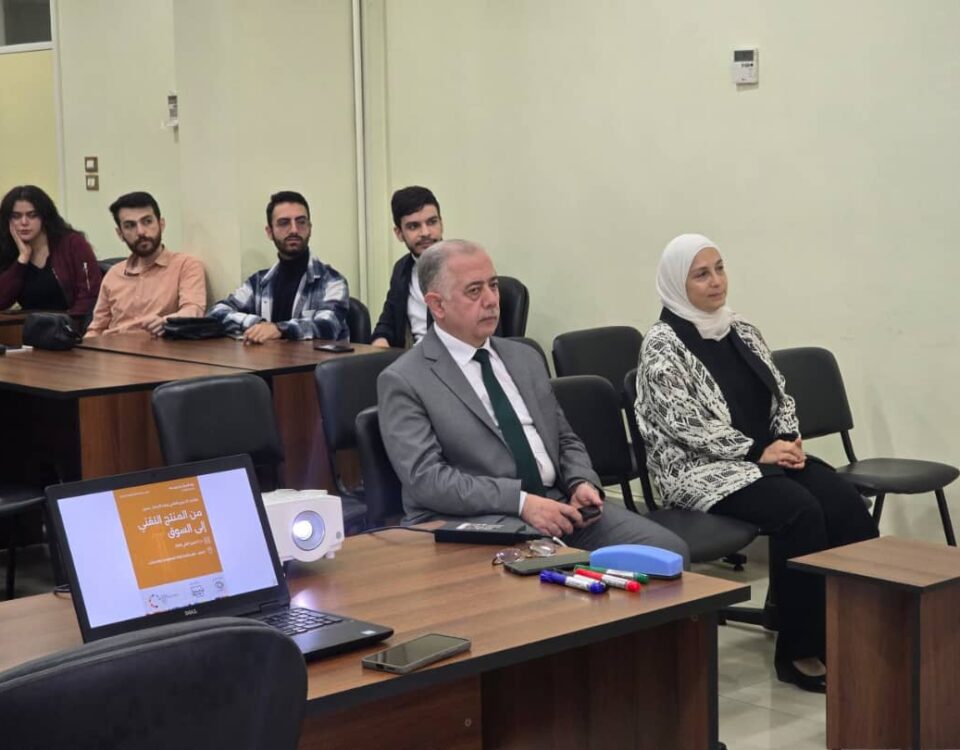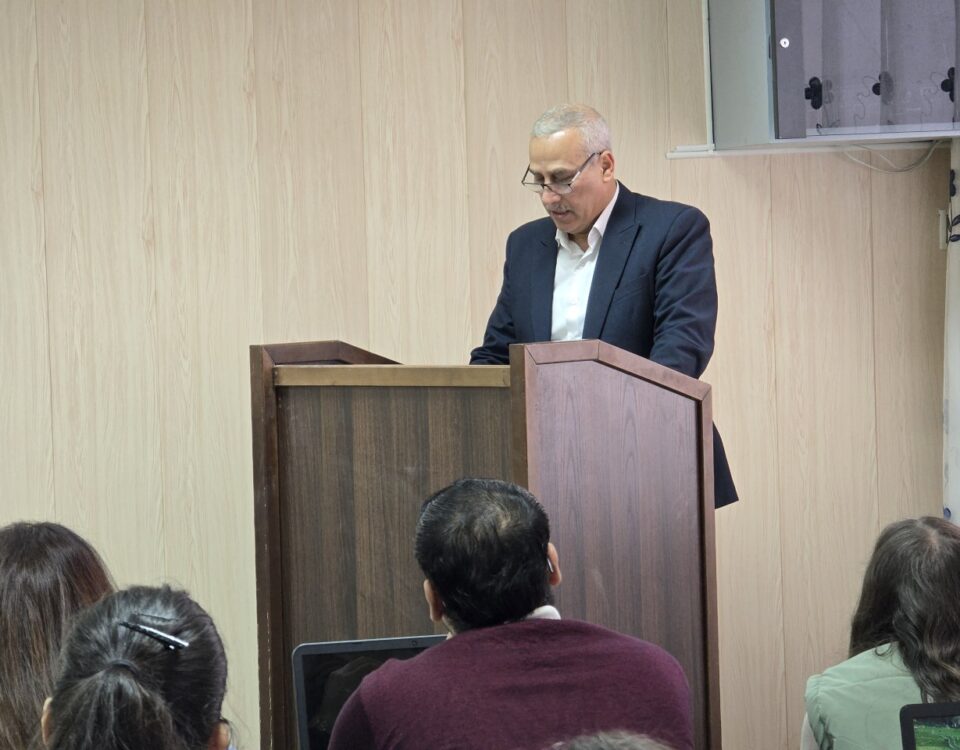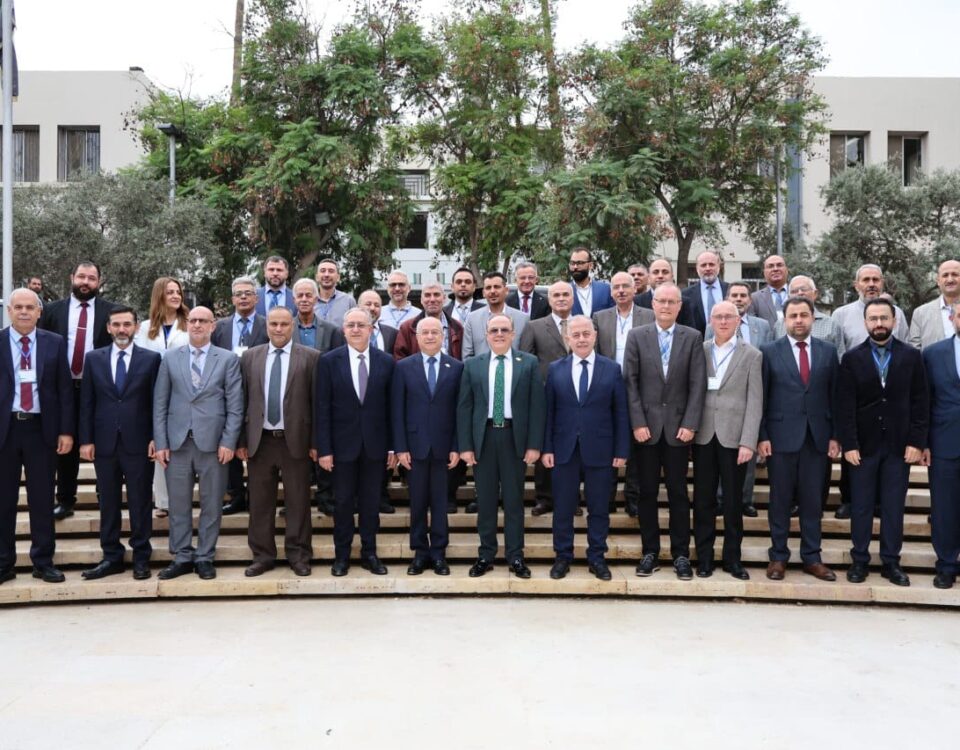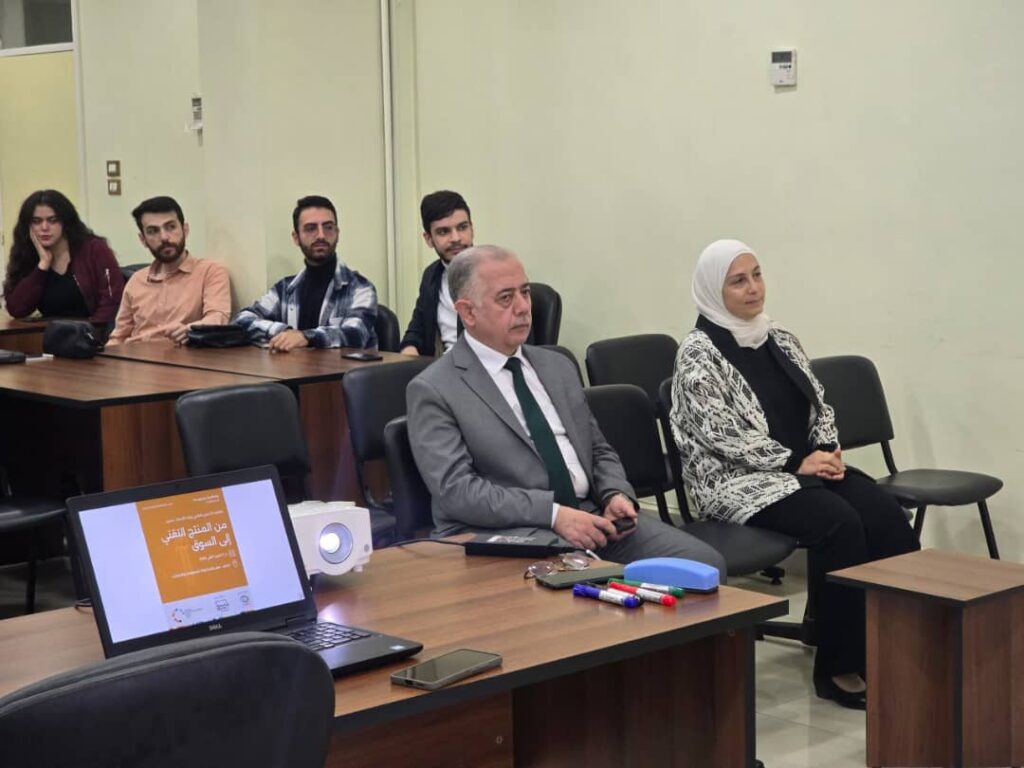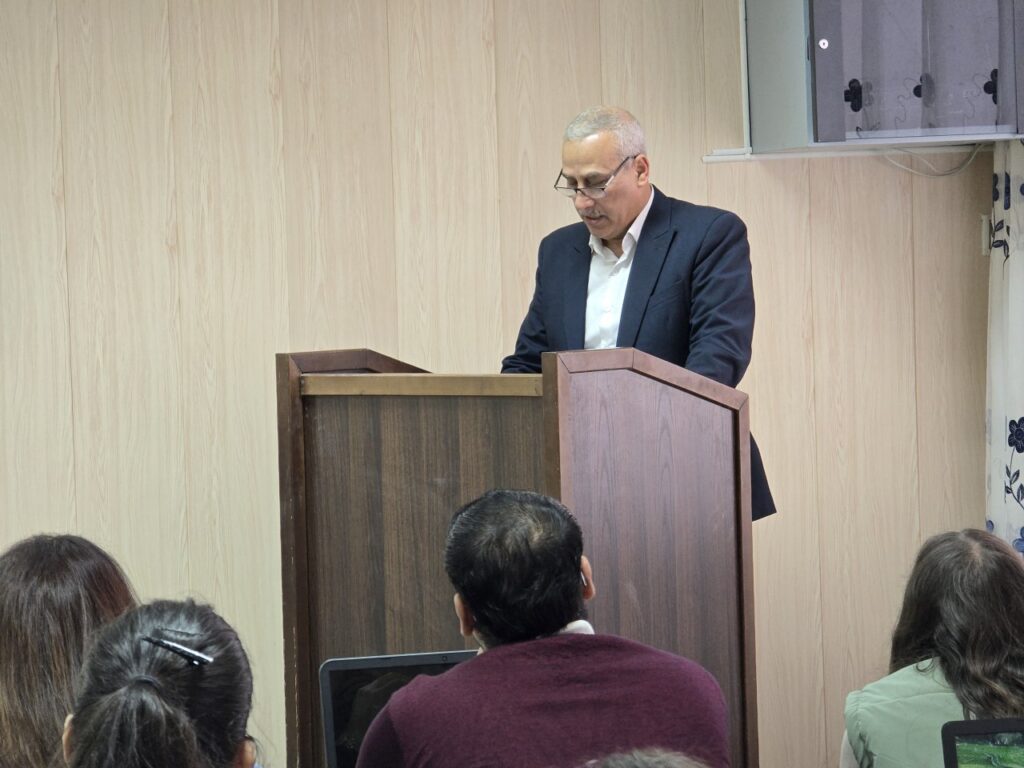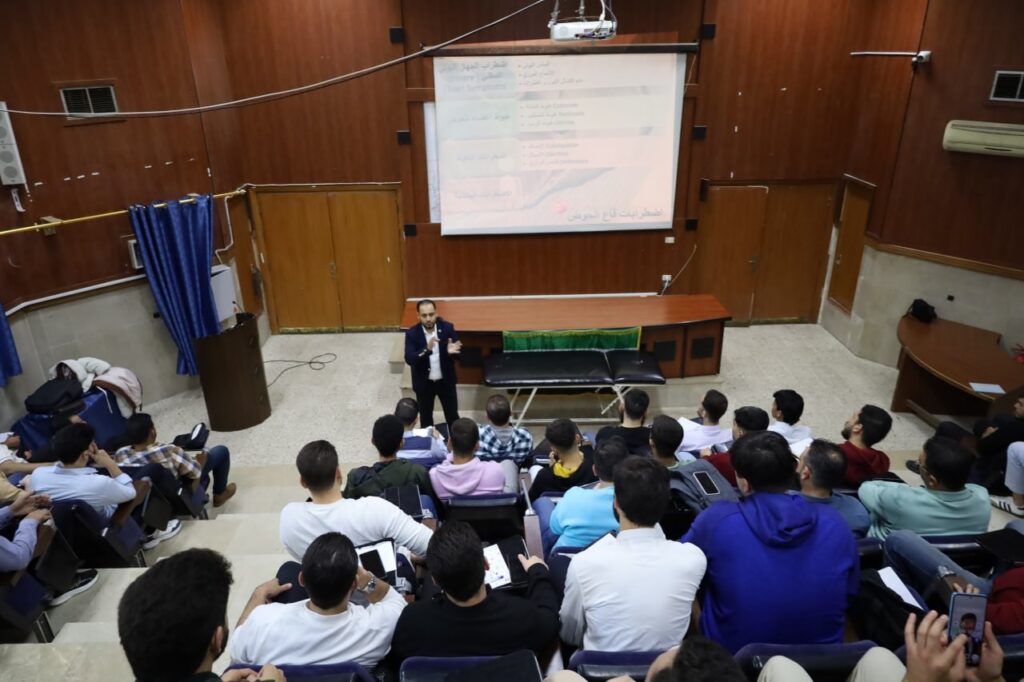
Within the framework of its endeavor to develop professional skills and upgrade the scientific and practical qualifications of health cadres, the Office of Profession Practice at the Faculty of Health Sciences held a training course entitled “The role of physical therapy in pelvic floor disorders” which is the first of its kind in Syria, with the participation of the faculty students and graduates.
The course addressed the role of physical therapy in evaluating and treating a wide range of health disorders related to the pelvic floor, including lower urinary tract problems such as urinary incontinence, urgency, incomplete bladder emptying, and dribbling, as well as pelvic organ prolapse, including the bladder, rectum, and uterus.
The course also covered bowel disorders, such as constipation, diarrhea, and fecal incontinence, as well as sexual disorders, in addition to the role of physiotherapy in rehabilitating prostate patients before and after surgery. The course emphasized the practical aspect, introducing participants to the latest techniques and therapeutic methods used in this field, including biofeedback, electrical stimulation of the pelvic floor muscles and organs, tissue release and visceral manipulation techniques, as well as Kegel exercises and sensory representation exercises.
The President of the University, Prof.Tarek Houssam ElDeen, emphasized that the university attaches great importance to developing vocational education and training, and to supplying the health sector with qualified cadres equipped with scientific knowledge and modern applied skills. He noted that organizing such specialized courses reflects the university’s keenness to keep pace with scientific developments in various fields of health sciences, reinforce its role in community service, and elevate the quality of healthcare services provided.
For his part, the Dean of the Faculty of Health Sciences and instructor of the course explained that the concept of physical therapy is no longer limited to treating muscle, joint, and bone disorders. Rather, it has expanded to encompass therapeutic and rehabilitative intervention in numerous health conditions and disorders, including pelvic floor dysfunction. He emphasized that this course serves as practical evidence of the expanding scope of practice within the physical therapy specialization and highlights the importance of employing modern techniques to improve patients’ quality of life.
This course falls within the Faculty of Health Sciences’ initiative to strengthen the role of the Office Professional Practice in translating scientific expertise into practical application and opening new specialized horizons for physical therapy practitioners, thereby contributing to the advancement of professional practice and keeping pace with scientific developments in this field.