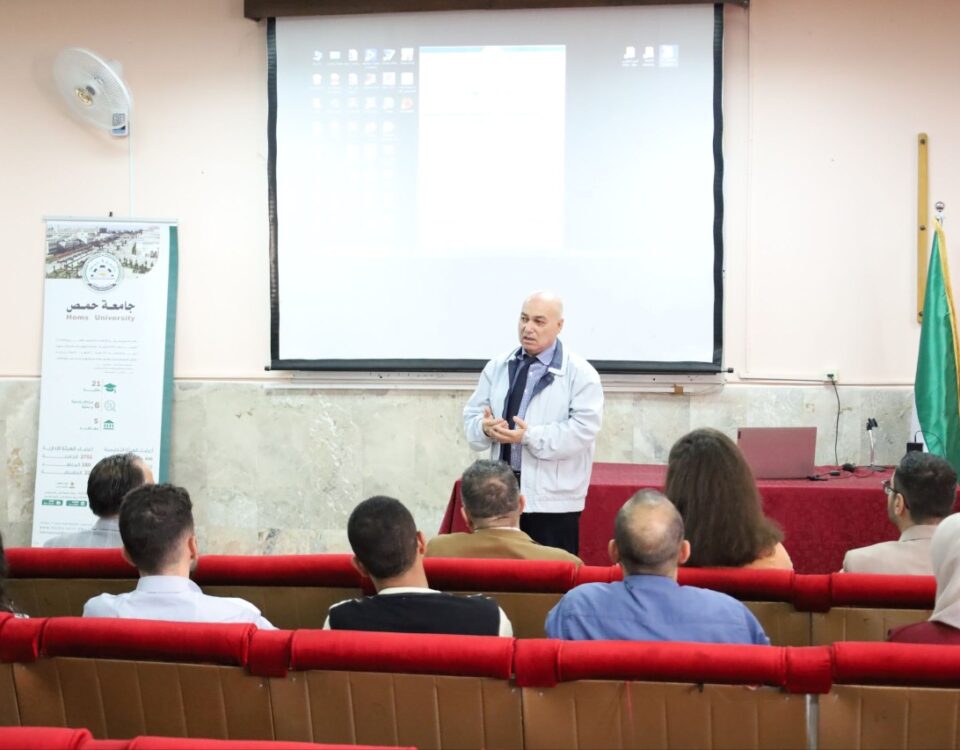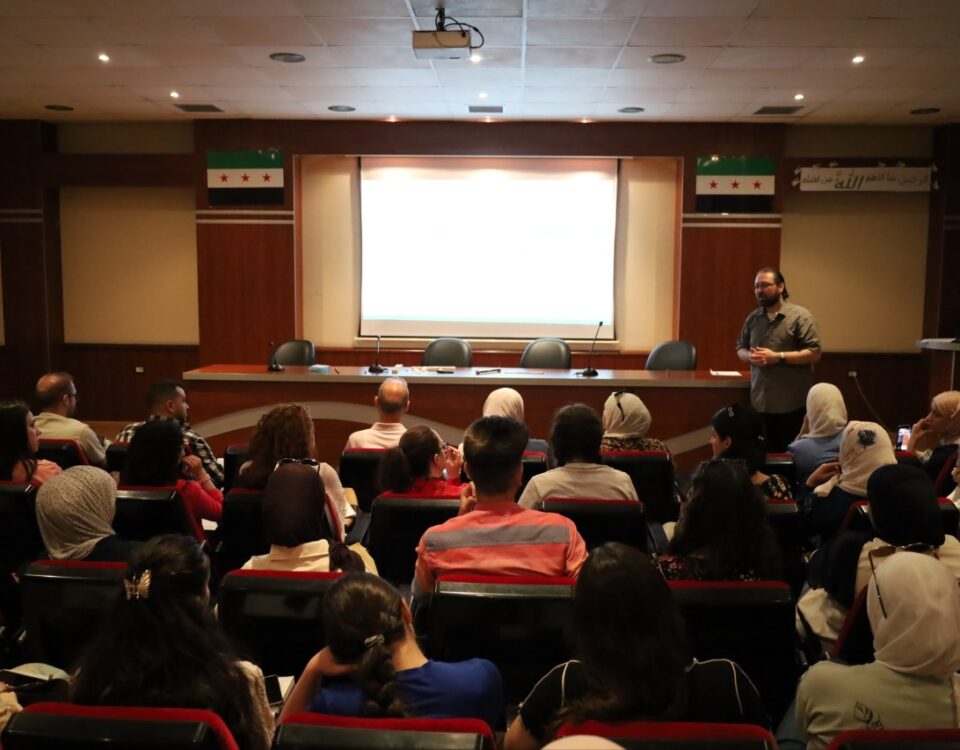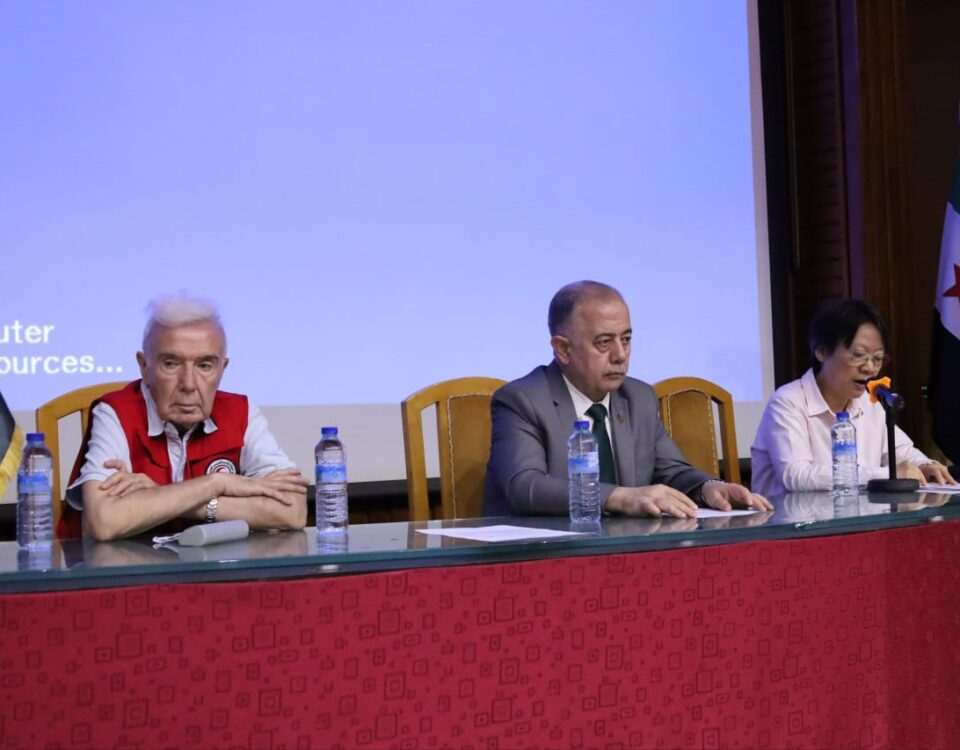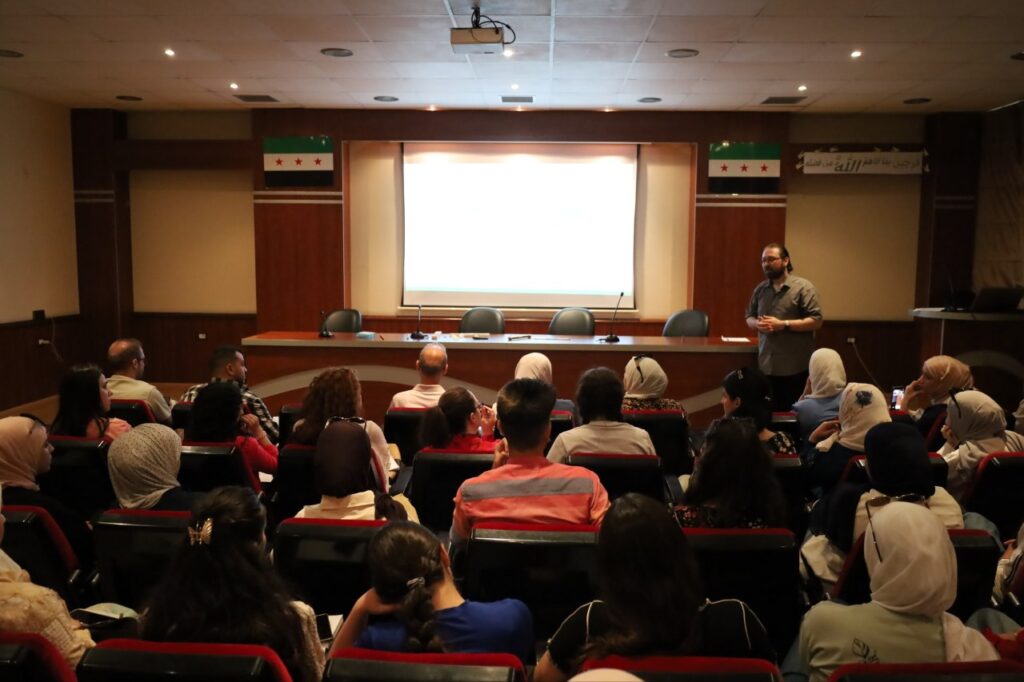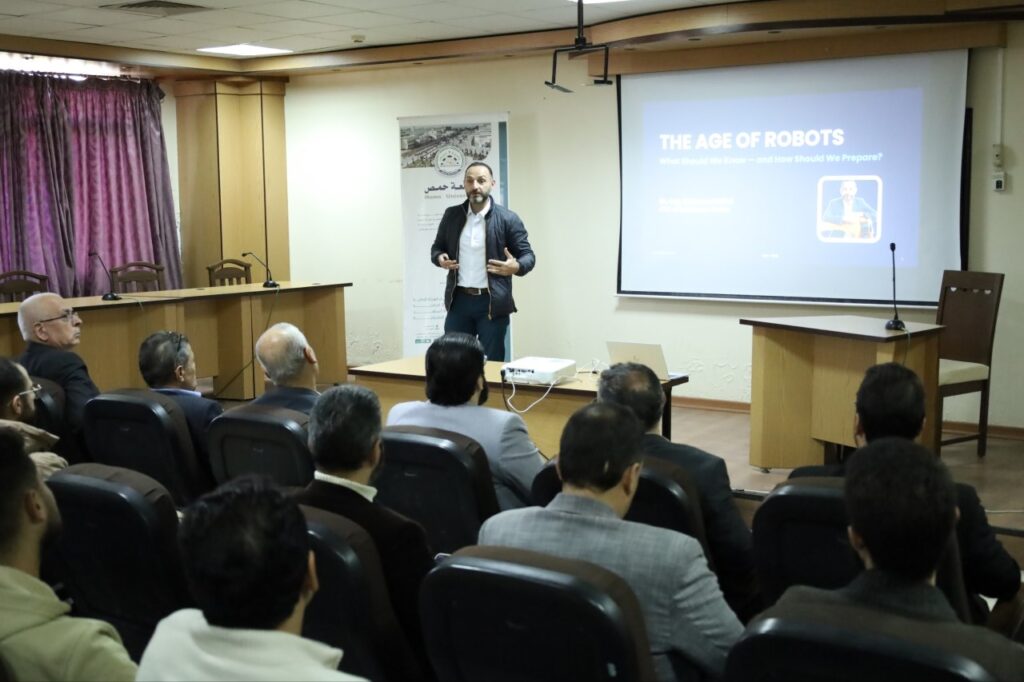
The Faculty of Mechanical and Electrical Engineering at the University of Homs organized a scientific lecture titled “The Age of Robots: What Should We Know and How Do We Prepare for It?”, delivered by Prof. Eng. Mohammed Bideoi. The lecture was held within the framework of his approved project under the “Short-Term Teaching and Advisory Assignments in Syria” program, funded by the German Academic Exchange Service (DAAD), aiming to leverage his visit to strengthen academic engagement and transfer expertise.
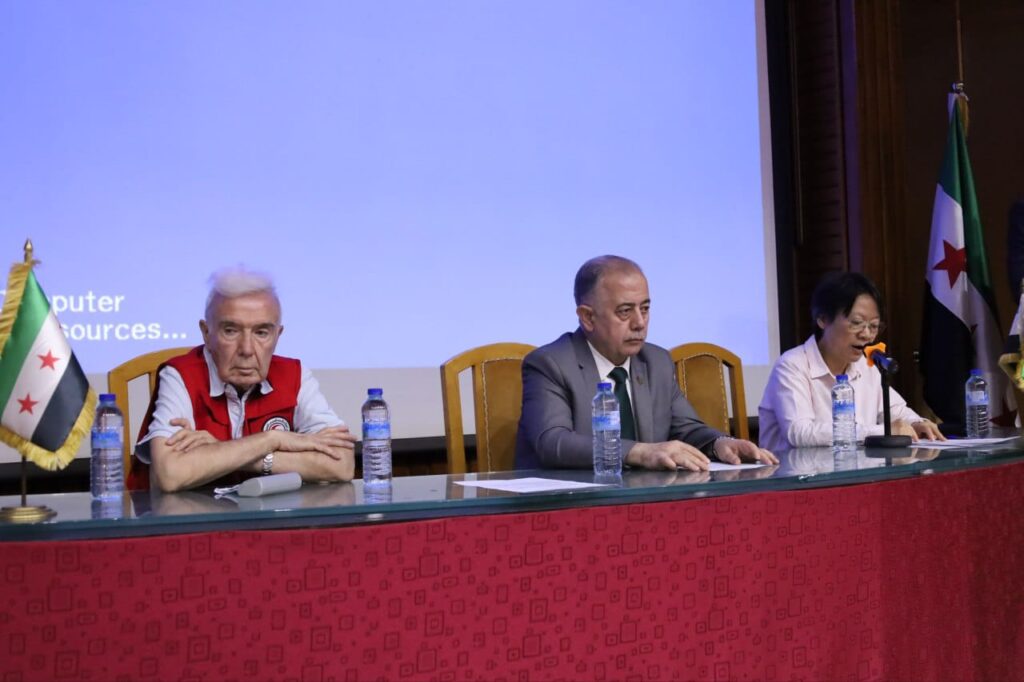
During the event, the Vice-President for Scientific Affairs and Higher Studies, Prof. Mohammed Al-Masri, noted that keeping pace with the era of robotics and artificial intelligence requires awareness of transformations in industry and education, preparation for the future of jobs and labor market skills, and equipping students and graduates to navigate these technological developments. He also expressed his delight at drawing on the practical experiences of German research and industrial institutions in this context.
In his lecture,Prof. Bideoi addressed the rapid advancement of robotics technologies and the shift of their applications from traditional factories to services, healthcare, transportation, construction, and everyday life, alongside the role of artificial intelligence in enhancing robots’ abilities in perception, learning, and decision-making. He also reviewed the capabilities and current limitations of robots, the impact of these shifts on the future of jobs, education, and required labor market skills, as well as opportunities for human-robot collaboration and challenges related to safety and societal implications.
The lecture also featured a practical component in which the speaker shared his experience in German research and industrial institutions, practices for keeping up with technological developments, and the skills and competencies that technology companies look for in recent graduates to help university students prepare for their career paths. The session took place in the presence of the faculty leadership and with the participation of university students from various disciplines, faculty members, and those interested in robotics and artificial intelligence.