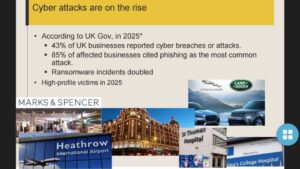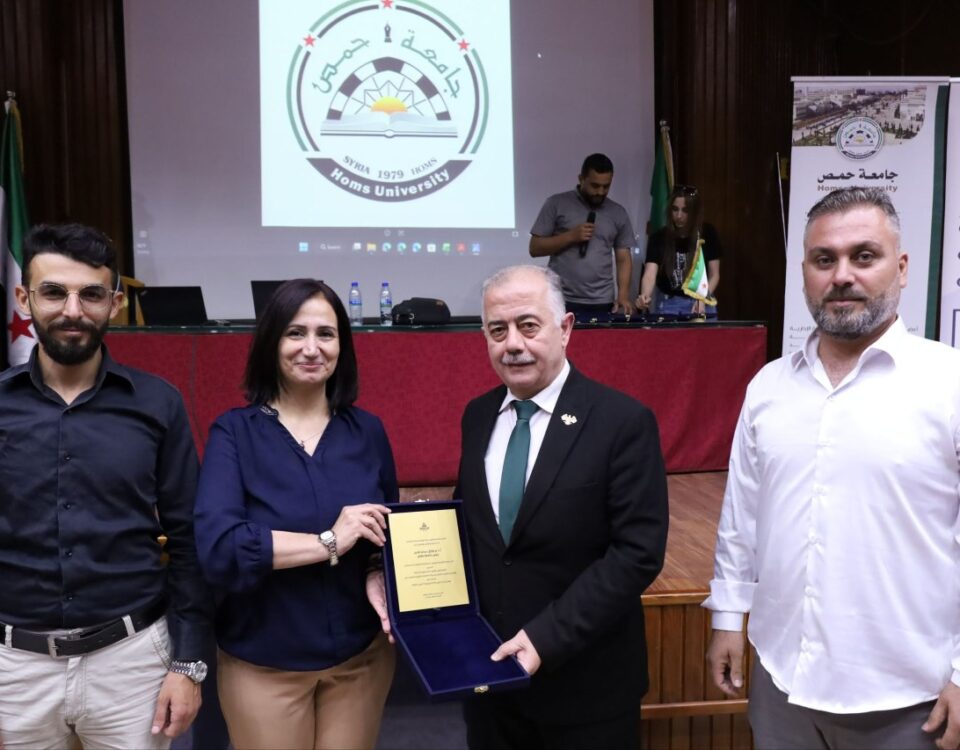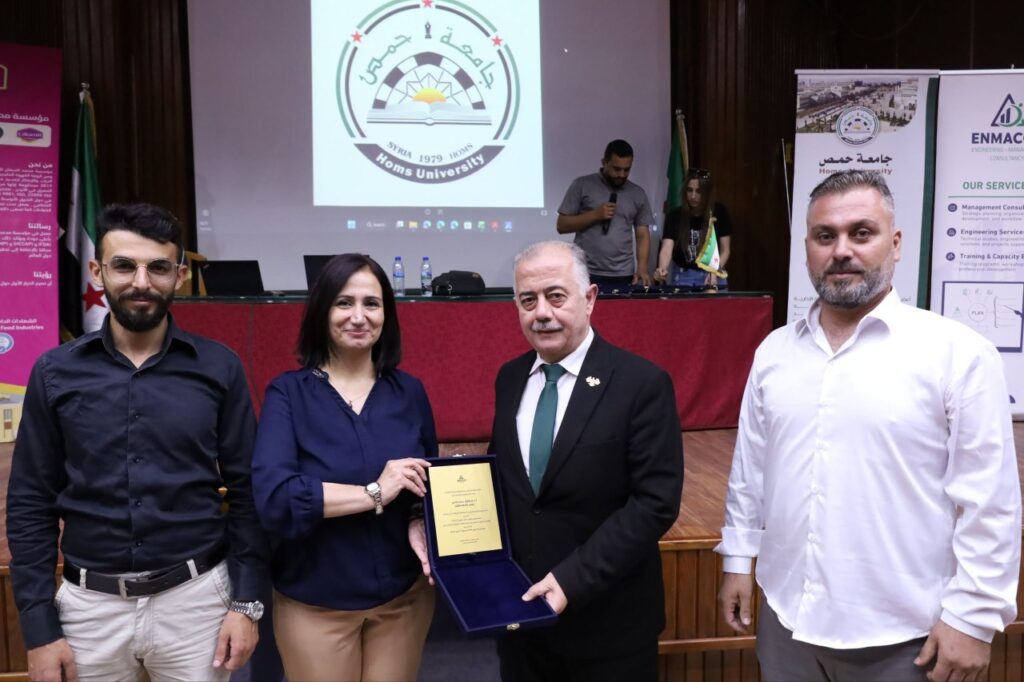
The Faculty of Informatics Engineering at Homs University held a remote (online) scientific lecture entitled “Cybersecurity in the Age of Agentic Artificial Intelligence” presented by Dr. Hisham Al-Assam from the University of Buckingham, UK. This is the first an interactive electronic academic lecture organized by the faculty.
The lecture targeted faculty and technical staff, students and graduates of the faculty, and those interested in the fields of informatics engineering and cybersecurity.
President of Homs University, Prof. Tarek Houssam ElDeen, has explained that this event reflects the university’s commitment to strengthening international academic cooperation and openness to global research expertise. He has also noted that organizing the lecture remotely is an important step in developing the university’s e-learning system and confirms its commitment to integrating artificial intelligence technologies into the educational and research process, keeping pace with rapid technological developments.
For his part, the Dean of the Faculty of Informatics Engineering, Prof. Muhammed Al-Naif Al-Haj Younis, has emphasized the importance of organizing such scientific events, given their role in raising the level of academic and technical awareness among students and faculty members. In addition, he has indicated that the qualitative lectures contribute to strengthening communication with international universities and transferring modern knowledge to the local educational environment.
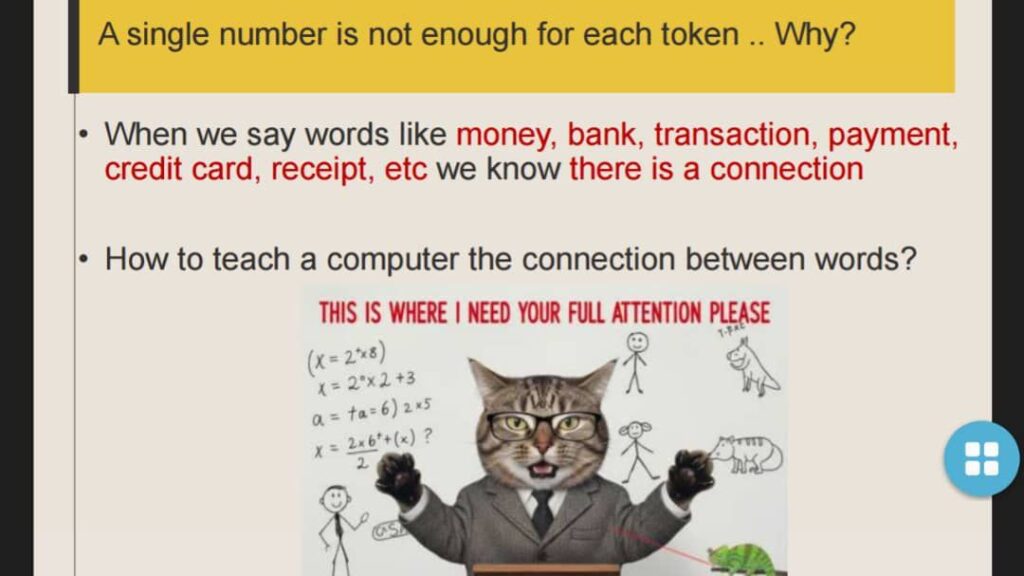
Vice Dean of Academic Affairs , Prof. Rabie Shaheen, has pointed out that the lecture reviewed the workings of artificial intelligence algorithms and how phrases are interpreted and processed within artificial intelligence systems, then addressed the evolution of the concept of cybersecurity before and after the emergence of artificial intelligence. Furthermore, he has demonstrated how modern technologies have contributed to securing data and detecting and combating electronic fraud, with a focus on new challenges in the era of artificial intelligence and ways to confront them using advanced scientific and technical methods.
At the end of the lecture, the attendees expressed their appreciation for the importance of the topic and the efforts exerted to make the faculty’ first e-learning experience a success.